
Replacement Dwellings: An Opportunity for Better Design
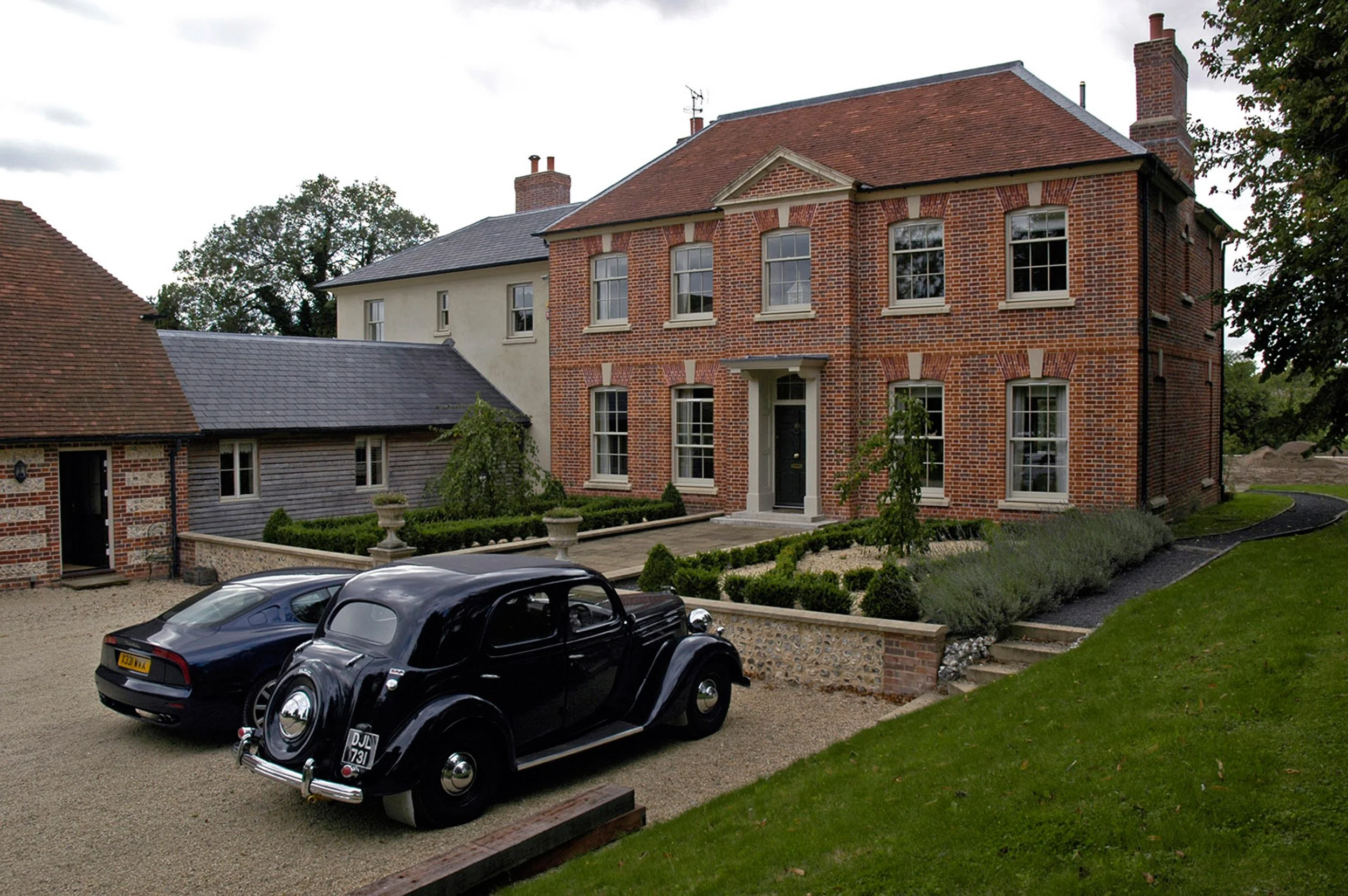
Replacement dwellings can present a unique opportunity to rethink how a site functions and how a home responds to its surroundings.
Many replacement projects involve buildings that are badly built, visually intrusive, energy inefficient and no longer suited to modern living. While they may occupy exceptional sites, the buildings themselves often fail to realise the full potential of the location.
A carefully considered replacement dwelling can improve environmental performance, create better internal spaces, strengthen the relationship between the building and its landscape, and significantly enhance the long-term value of the property.
By responding to local character, optimising views, improving orientation and creating a more coherent architectural composition, a replacement dwelling can transform both the quality of the home and the experience of living there.
At Alex Oliver Associates, we approach replacement dwellings as an opportunity to create homes that are more sustainable, more functional and more appropriate to their setting.
The objective is not simply to replace a building, but to create a home that adds lasting architectural, environmental and financial value.
The Role of High Ceilings
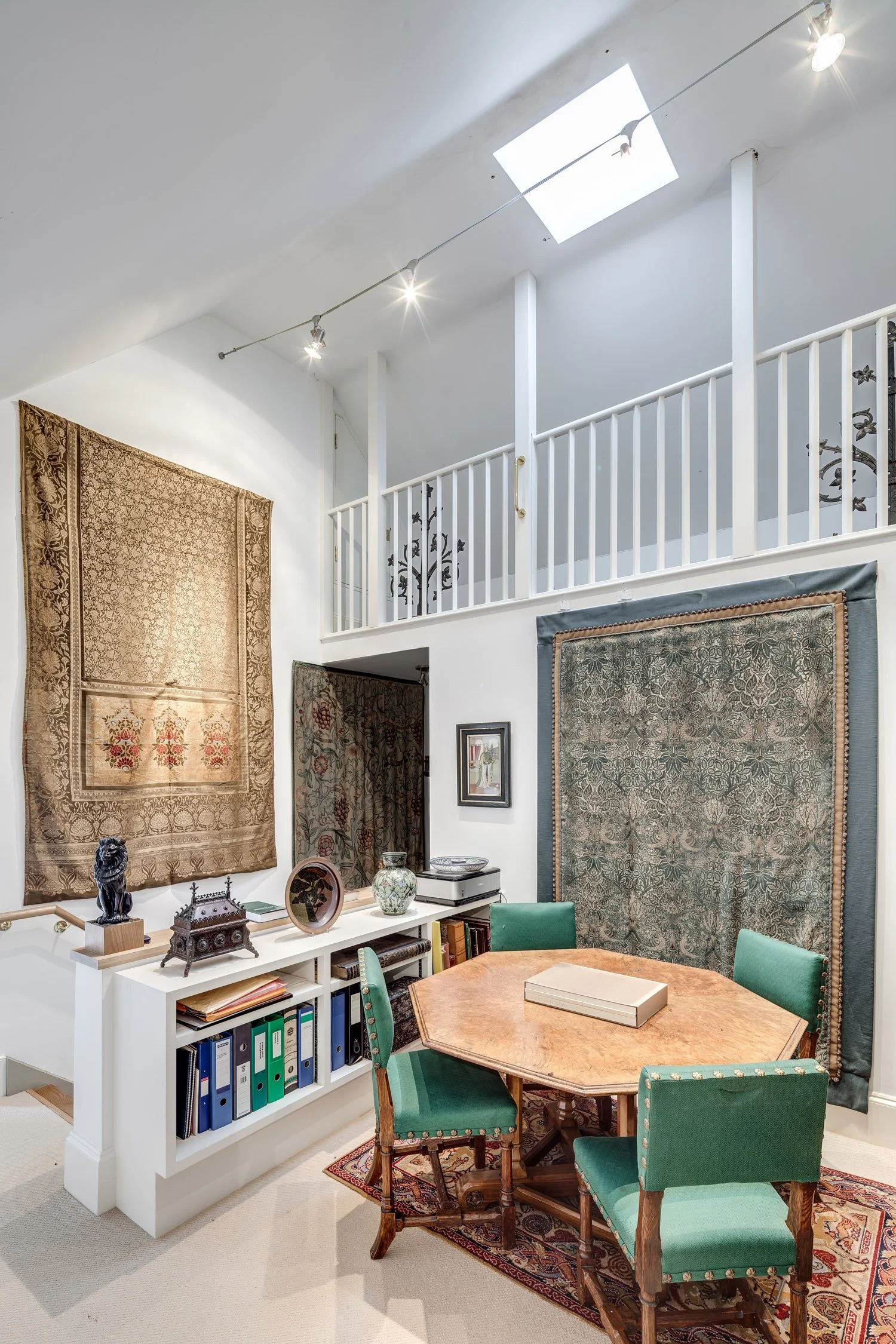
High ceilings are often associated with grand country houses, Georgian townhouses and other traditional buildings. While they undoubtedly contribute to a sense of elegance and generosity, their value extends far beyond aesthetics.
Historically, high ceilings served a practical purpose. They helped improve ventilation by allowing warm air to rise above occupied spaces, creating more comfortable internal environments, particularly during warmer months. They also enabled larger windows, allowing daylight to penetrate deeper into rooms and reducing reliance on artificial lighting.
Many of Britain's most admired historic buildings combine generous ceiling heights with carefully proportioned rooms, creating spaces that feel bright, balanced and uplifting. The relationship between room proportions, window design and ceiling height was often considered as part of a cohesive architectural composition.
As we consider how buildings respond to a changing climate, these traditional principles remain highly relevant. Well-proportioned spaces, natural ventilation and access to daylight can all contribute to occupant comfort and wellbeing.
At Alex Oliver Associates, we continue to draw upon these lessons when designing new homes and adapting historic buildings. Good architecture should not only look beautiful, but also create comfortable and enjoyable places to live.
Traditional design often succeeds because it combines practicality with elegance.
Traditional Architecture
Many of Britain's most loved buildings were constructed hundreds of years ago, yet they continue to feel relevant, attractive and desirable today.
This is not simply a matter of nostalgia.
Traditional architecture is often rooted in principles that transcend fashion: proportion, symmetry, hierarchy, craftsmanship and a strong relationship with place.
These buildings were typically designed to be coherent compositions, where each element contributes to the overall harmony of the design.
While construction methods and lifestyles may evolve, these fundamental principles remain as relevant today as they were centuries ago.
Good architecture does not need to imitate the past, but there is much we can learn from the buildings that have stood the test of time.
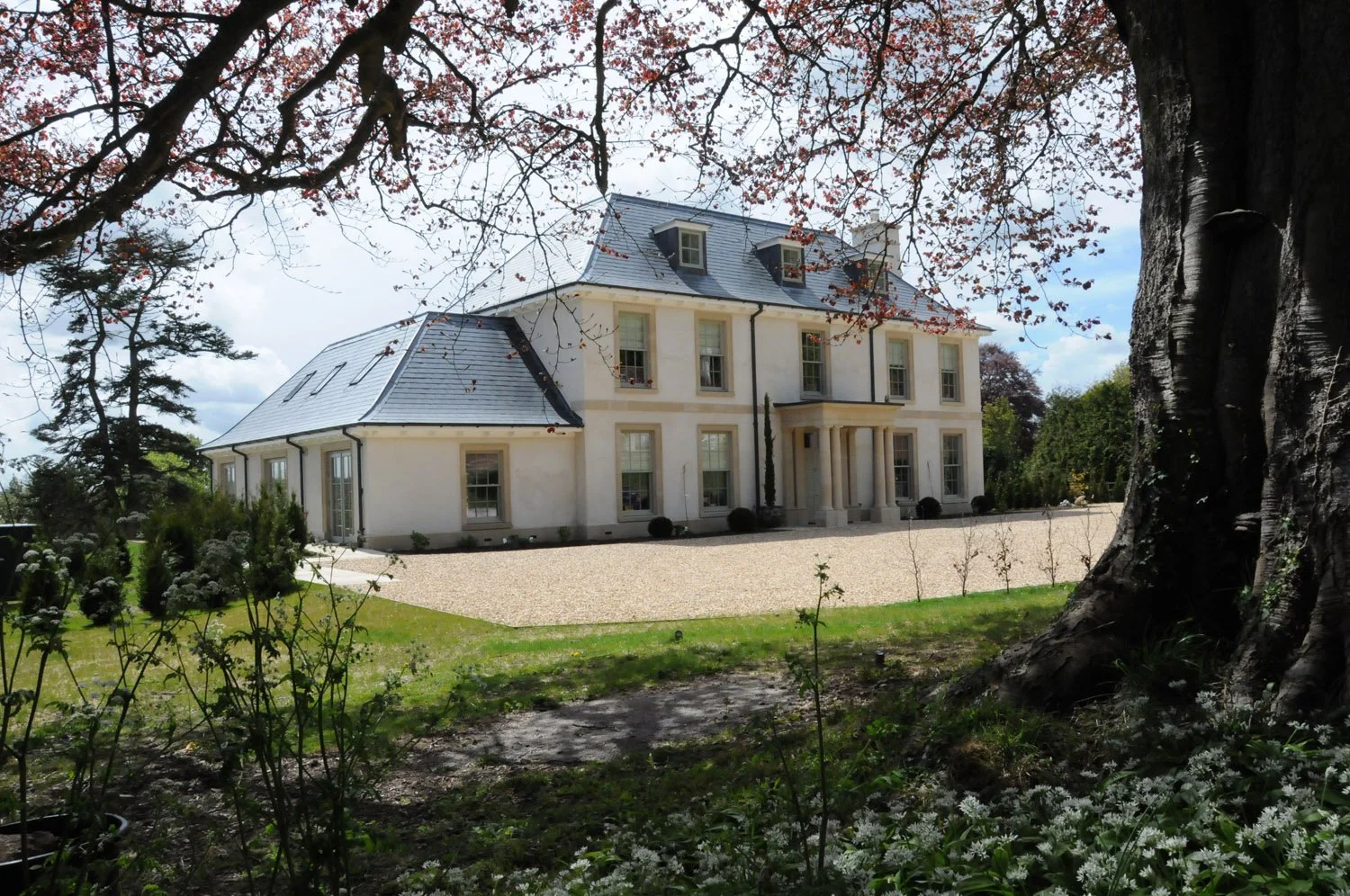
The house pictured is a new-build designed by ourselves, inspired by traditional architecture.

A Georgian Style Country House
This Georgian style country house was designed to have a formal character, reflecting the gentrification and rising affluence which led to the introduction of more formal and varied living accommodation to traditional farm holdings.

Restoration and Transformation
Breathing new uses into redundant structures is an important part of ensuring they remain for future generations.
We restored this listed barn and transformed it into additional accommodation for our clients. Key elements of the historic fabric were retained, with new fenestration to replace inappropriate modern glazing, with a new vertical emphasis more in keeping with the barns character.

Barn Conversion Reflections
Continuing our look back at 25 years of Alex Oliver Associates, we look back today to, perhaps, one of our favourite barn conversions.
By keeping as much of the historic fabric as possible, the converted building still looks and feels like the original, but transformed into comfortable family accommodation.

Sketch Visuals for an Infill Housing Scheme in Buckinghamshire
You don’t always need a huge amount of information to convey the sense of a space, place or set of buildings. Computer Generated Images have their place, but sometimes it is as much about what you leave out as much as you leave in.
These sketch visuals of an infill housing scheme in Buckinghamshire are not ultra realistic, but they still give the overall impression of the feeling of the development. A collection of traditionally styled houses give the feeling of a series of homes which have been part of the village, rather than new introductions.

Colour and Space
Colour can really change our perception of space.
On paper, the ensuite bathroom in the attic of a farmhouse of restoration in Wiltshire might not have looked interesting, but careful detailing and the client’s use of deep colours gives a powerful impact you might not have expected from the plans.

Enfilade
Long views through a house can draw your view through the building creating a long vista and making a home feel bigger than it really is. This architectural move is called enfilade.
Enfilade has been a device in architecture since the Baroque period and has been employed in a wide range of buildings from the Palace of Versailles to the Sainsbury Wing of the National Gallery to this restored farmhouse in Wiltshire.

A Feature in Country Life
We're pleased to see one of our houses featured in Country Life Property this week.
Penny Churchill spoke to Alex about this family home we designed in Berkshire, to discuss the design thinking behind it.
The property is now for sale through Alex Barton at Strutt & Parker in Newbury.

The First Impression of a Home
The first impression of a home should be one of generosity of space, regardless of the size of the house.
If the entrance hall feels spacious and welcoming, even a small house will feel more comfortable as a result. The entrance space of this country house we restored in Wiltshire feels generous as a result of being able to take statement pieces of furniture and by opening into and adjoining space to make it feel bigger than it is.

A Classical Villa in an Urban Parkland
Some projects just lend themselves to different types of plan form, and we like to explore the possibilities an unusual project can allow.
This classical villa in an urban parkland is an excellent example of this. The main rooms radiate from a central octagonal stair hall and are linked with sweeping curved corridors. The enfillade of the central three spaces acts as a counterpoint to the ‘concealed’ drawing room to the rear which you enter through a journey of discovery.

The Importance of Craftsmanship
We talk about craftsmanship a lot in the studio, but is it really that important?
Yes this doorcase would have looked beautiful a simpler frieze, but the extra visual lift the decorative carving here adds changes this from something beautiful, to something truly special. Entirely carved by hand, this is why we cherish craftsmanship so much.

Our First Project
In 2025 we are 25 years old, so over the year we are going to pick out 25 of our favourite projects from the archive to share with you.
Some are already well known, some less so, but all are special to us for different reasons and we hope you will enjoy this look into the first 25 years of our practice.
Kicking things off is our first ever project. This charming farmhouse was carefully designed to break down its visual mass with the main building formed from rubble stone being supplemented by a rear wing, a rendered service wing and a timber clad garage block.

Design and Comfort
We designed this home in Berkshire to have a striking green oak frame and large amounts of glazing, which when coupled with a reclaimed fireplace and grate create a comfortable space for our client.

The Artistic Qualities of a Sketch
Whilst beautifully rendered watercolour drawings are excellent as presentation drawings, sometimes the artistic qualities of a sketch conveys the idea being discussed and we often produce concept sketches to communicate the interior ambiance and spaces we are designing.
This sketch is of a vaulted kitchen breakfast room as part of the remodelling of a large country house in West Berkshire.

A Gothic Style Remodel
Details make a building and we particularly enjoy the thinking that goes into each and every move we make as part of the design process.
A good example is the window above the porch of this country house we recently remodelled in a Gothic style. The window is divided by a transom to keep the rhythm of the fenestration, but the window itself sits behind, maximising the amount of glazing the window has.

Conversion and Character
Converting existing buildings is a balancing act of the proposed use with the character of the building.
Introducing new glazing can be particularly tricky, but sometimes the building itself will give you the answer. The large dormer window on this barn conversion in Wiltshire proved the inspiration for two further dormers, greatly increasing the light into the building, without appearing alien in character.

A Grade II* Listed Queen Anne House
This Grade II* listed building dates back to the early 1700s and we never tire of visiting site as part of our ongoing design works for the owners of this Queen Anne beauty.

A Country House
This country house is one of our favourites.
The scale is carefully modelled to give maximum floor area for the minimum bulk. The building is broken down into elements to give the impression of a developing language, with subsidiary elements further reducing the perceived size of the building.
Why did we do this? To deliver the space our clients needed, but in a way respectful to the picturesque setting on the edge of a beautiful village. The results speak for themselves.