
Conservation & Heritage
Whether you are considering improvements to your historic home, planning adaptation for modern family life, or navigating listed building consent, we provide expert guidance tailored to your building’s character and long-term stewardship.
Alex Oliver Associates is a RIBA‑chartered architectural practice specialising in the conservation, restoration and sensitive adaptation of historic buildings and heritage sites.
We understand the complexities of working on listed and historic structures and our team of experienced professionals are here to provide guidance and advice throughout the process. We pride ourselves on our ability to deliver sympathetic developments and alterations that add value and respect the building’s integrity.

Our Conservation Philosophy
It is our strong belief that heritage assets should be constantly maintained and sensitively adapted to ensure their future use and enjoyment. Conservation architecture is the creative process of looking after a building or place that is part of our heritage so as to retain its special characteristics, its sense of place, conservatively repair its defects, and secure its future safety.
Our work is underpinned by our thorough historic research and understanding of the significance of a building and its context, we do this by researching and analysing its fabric, construction, history, function, aesthetic qualities, and communal value.
“The purpose of repair is to restrain the process of decay, by keeping repair works to the minimum required to stabilise and conserve the building without damaging the character of the building. To not alter the features which give them their historic or architectural importance, or unnecessarily disturb or destroy historic fabric. The unnecessary replacement of fabric will have an adverse effect on the appearance of a building and will seriously diminish its authenticity.”
Brereton, C. ‘The repair of historic buildings: advice on principle and methods’ , English Heritage, 1991
Our Specialisms
Our team has the knowledge and expertise to undertake the necessary research to understand the context of the building and its history and the relevant planning and conservation policies. We can provide advice on the application process itself, ensuring all relevant documentation is included, as well as ensuring any potential objections are addressed.
We strive to make the process as constructive and efficient as possible, giving the proposal the best possible chance of success. Our commitment to quality and our wealth of experience has shown that the appropriate approach to both the design and the application itself pays dividends.
-
We conduct comprehensive historic building research to thoroughly investigate a property's history, providing a strong foundation for informed conservation strategies and design choices. Our heritage statements offer detailed documentation of a property's heritage value and significance within the context of a project. Through this in-depth understanding, we propose designs that are sympathetic to the historic fabric and prepare well-reasoned arguments supporting proposed changes to a historic building. This ensures alignment with conservation principles and increases the likelihood of obtaining listed building consent.
-
We support our clients by assessing the current condition of a building to pinpoint areas that need attention or restoration.
-
We guide our clients through the application process for listed buildings, providing expert assistance to ensure successful outcomes and compliance with conservation policies.
-
Creating designs and specifications that preserve the character of historic buildings while enabling functional updates.
-
Providing detailed plans for restoration, repair, or maintenance work in line with conservation best practices.
Your Questions, Answered
-
Most works to listed buildings require listed building consent, including alterations to internal layouts, windows, doors, and historic fabric. Some proposals may also require planning permission. Each property is different, and part of our role is to help identify at an early stage which consents are likely to be required and how best to approach them.
-
Yes. Many historic houses can be sensitively adapted to better support modern family life, including improved layouts, kitchens and living spaces, bathrooms, and stronger connections to gardens. The key is understanding which parts of the building are most sensitive and where change can be made with minimal impact, allowing the house to evolve while retaining its character and significance.
-
Yes. The energy performance of a historic house can often be improved through a carefully considered combination of measures, such as improved insulation, more efficient heating systems, and sensitive upgrades to windows and services. Unlike modern buildings, historic properties require a specialist approach that takes account of traditional construction and moisture movement. Measures are therefore assessed on a case-by-case basis to ensure they improve performance without causing unintended issues such as condensation, damp, or mould, or harm to historic fabric.
-
We develop clear, well-reasoned proposals supported by appropriate documentation, such as heritage statements, to explain the significance of the building and the impact of the proposed works. We also liaise closely with conservation officers and planning authorities throughout the process to help guide applications through to a decision.
-
Historic buildings can reveal unforeseen issues once work begins, such as hidden defects, structural weaknesses, or fragile fabric. These risks are best managed through early investigation, careful design, and clear communication. A staged approach allows decisions to be reviewed and refined as more information becomes available, helping to reduce uncertainty during construction.
Examples of Our Conservation Projects
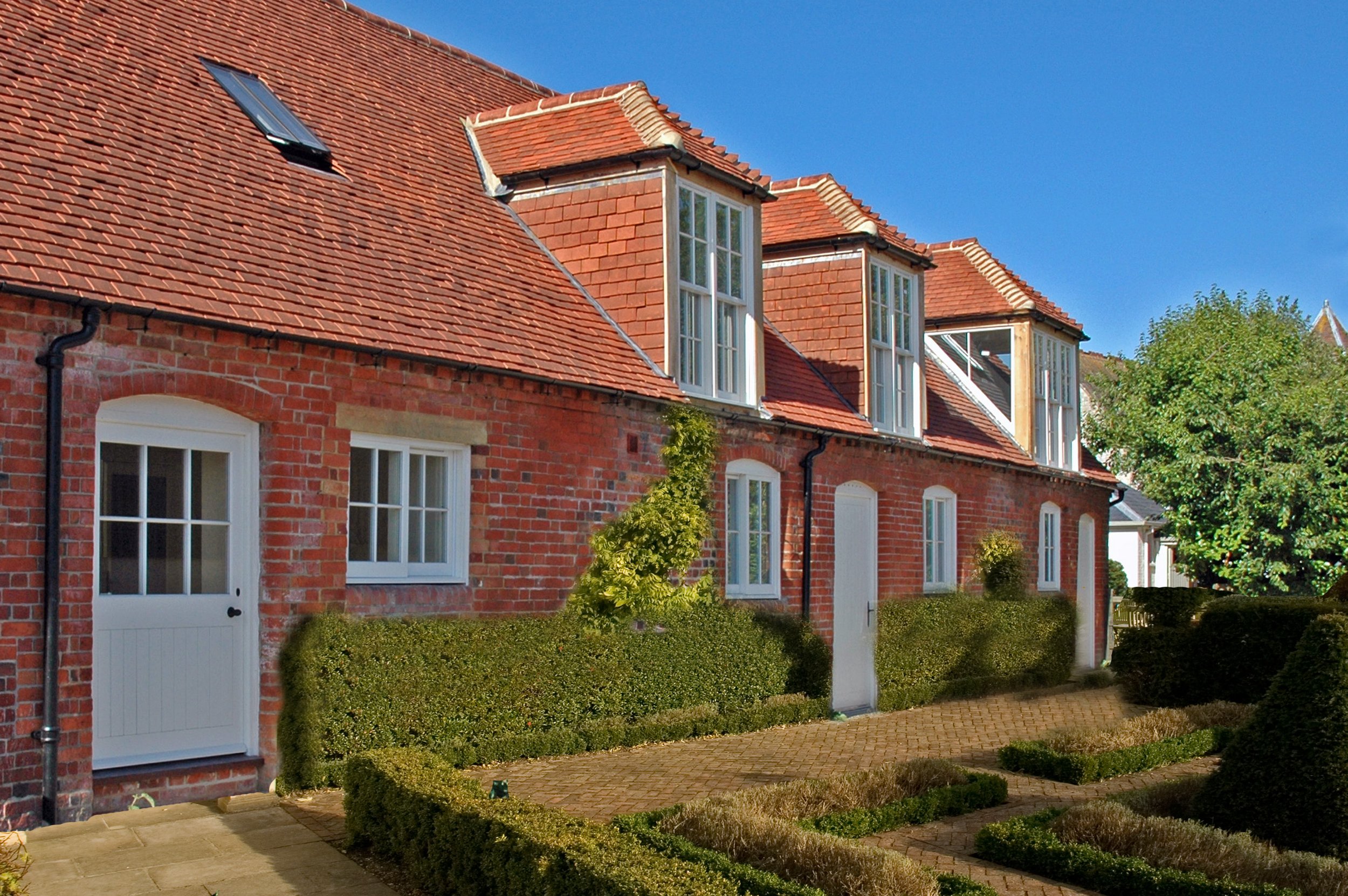


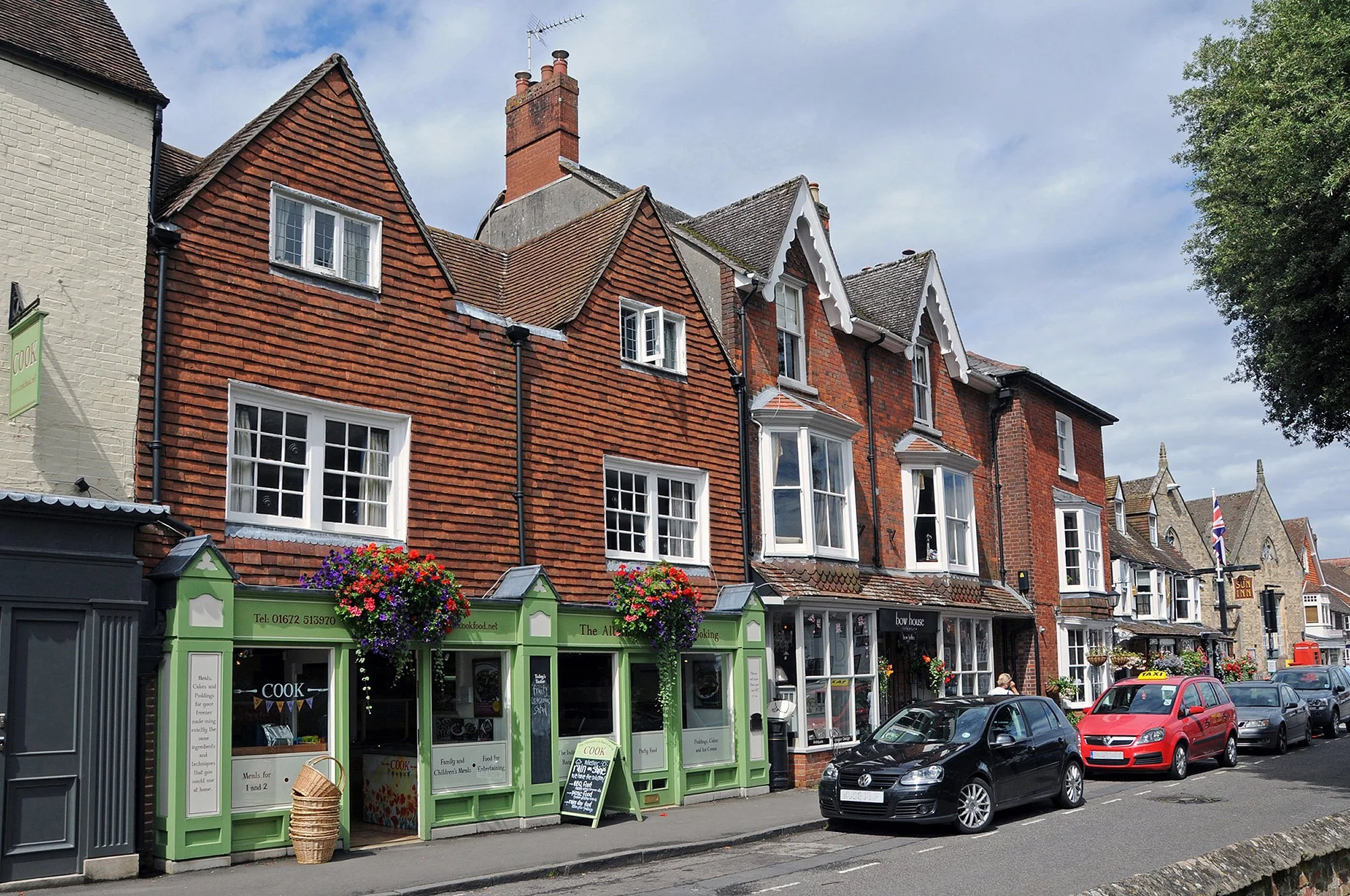


Planning work to a historic property
Early advice is often key when working with historic buildings. We can help assess the significance of your property, identify potential constraints, and advise on planning and listed building consent before proposals are developed in detail.
If you need an architect please be in touch on 01249 810 610 or admin@aoassociates.co.uk