
Before proposing changes to a historic building or place, we first need to understand what makes it special.
Significance may arise from its architectural design, craftsmanship, materials, historic associations or evidence of how it was originally used. It can also be found in less obvious qualities, such as the arrangement of rooms, the relationship between different phases of construction or the contribution the building makes to its wider setting.
Not every part of a historic building will have equal significance. Some elements may be exceptionally important, while others may have been altered or make a more limited contribution. Identifying these differences helps establish what should be preserved, where previous harm might be repaired and where carefully considered change may be possible.
This understanding should guide the design from the outset. It allows important fabric and relationships to be retained while directing necessary interventions towards less sensitive areas.
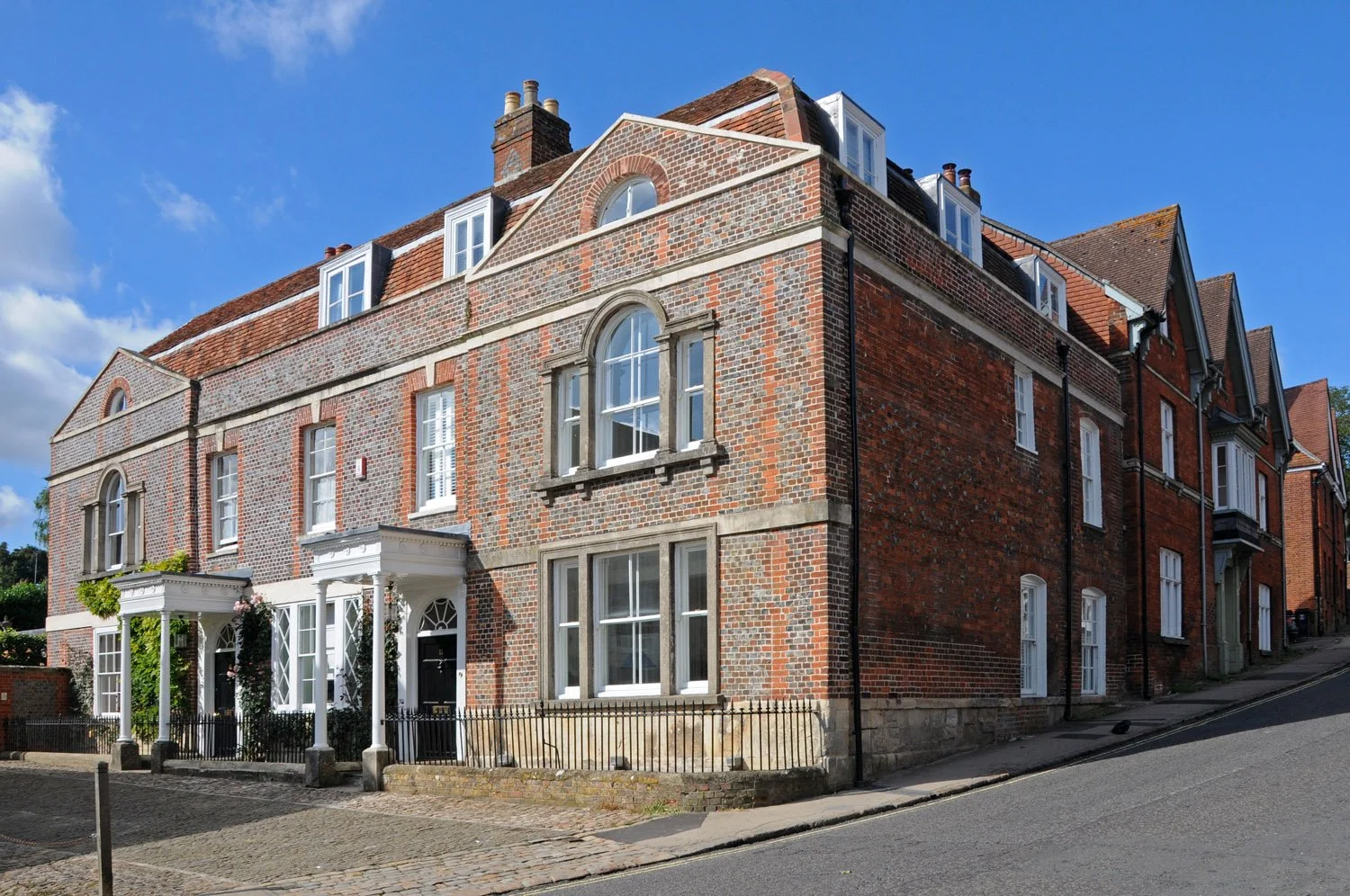
Our work at Kingsbury House, a Grade II* listed Georgian townhouse in Wiltshire, began by identifying the surviving historic fabric and understanding the effect of later alterations. This informed the removal of inappropriate modern partitions, the repair of original features and the restoration of the interior closer to its Georgian form.
Understanding significance is not simply part of the consent process. It is the foundation of good conservation design, allowing change to be both creative and well informed.