
The Role of High Ceilings
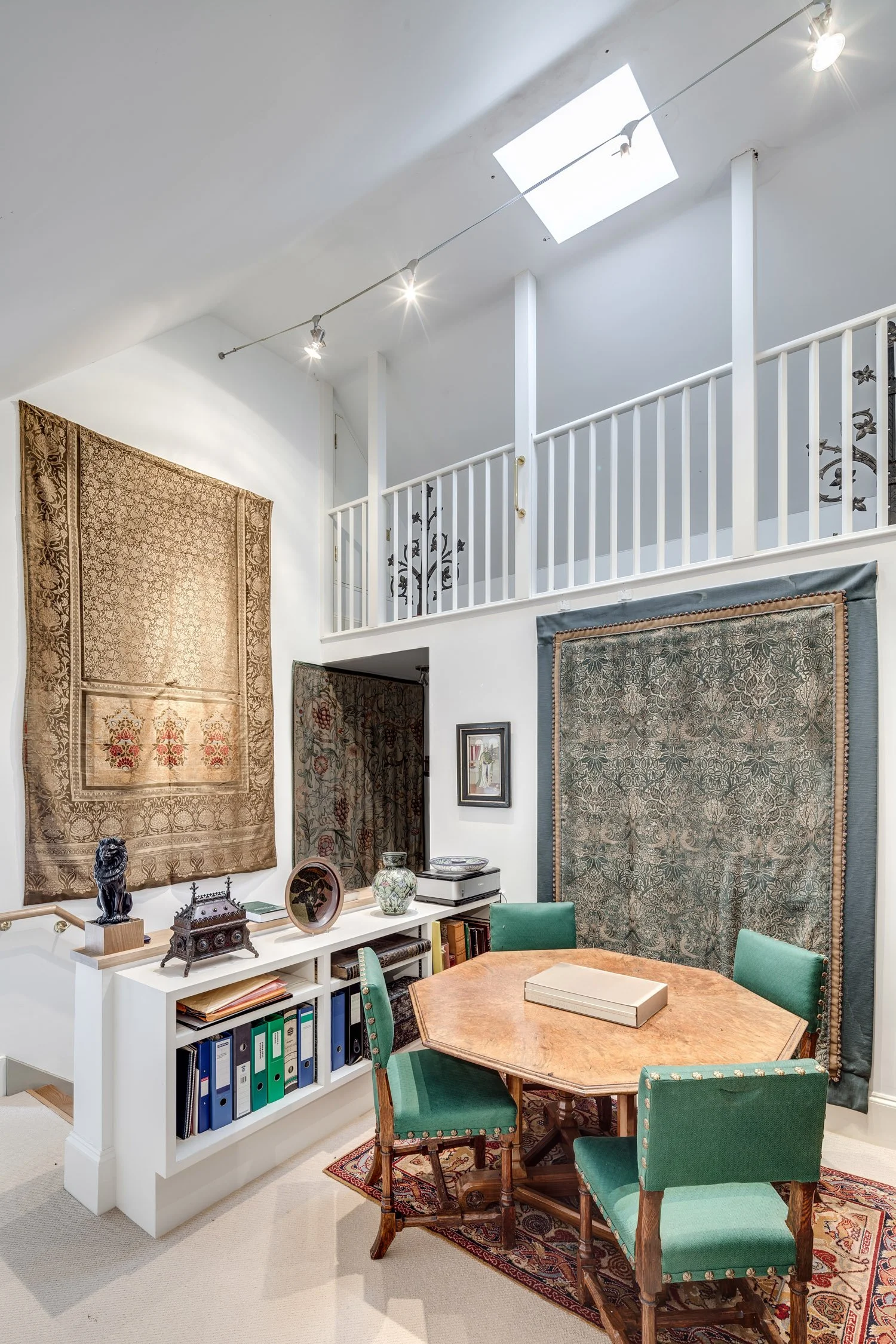
High ceilings are often associated with grand country houses, Georgian townhouses and other traditional buildings. While they undoubtedly contribute to a sense of elegance and generosity, their value extends far beyond aesthetics.
Historically, high ceilings served a practical purpose. They helped improve ventilation by allowing warm air to rise above occupied spaces, creating more comfortable internal environments, particularly during warmer months. They also enabled larger windows, allowing daylight to penetrate deeper into rooms and reducing reliance on artificial lighting.
Many of Britain's most admired historic buildings combine generous ceiling heights with carefully proportioned rooms, creating spaces that feel bright, balanced and uplifting. The relationship between room proportions, window design and ceiling height was often considered as part of a cohesive architectural composition.
As we consider how buildings respond to a changing climate, these traditional principles remain highly relevant. Well-proportioned spaces, natural ventilation and access to daylight can all contribute to occupant comfort and wellbeing.
At Alex Oliver Associates, we continue to draw upon these lessons when designing new homes and adapting historic buildings. Good architecture should not only look beautiful, but also create comfortable and enjoyable places to live.
Traditional design often succeeds because it combines practicality with elegance.